Energy bills are still a worry for many households. At the same time, more people want a home that is cleaner, warmer and less dependent on the grid.
The question we hear most from Bristol homeowners is simple: where should I start?
There is no single “best” upgrade for every house. But there are a handful of proven options that work well in homes across the city. In this guide, Roland J Bell walks through them in plain English, so you can decide what makes sense for your property and your budget.
Why More Bristol Homeowners Are Going Sustainable in 2026
A few things are pushing people to act.
- Energy costs: Making your own power can reduce what you buy from the grid.
- Electric vehicles: More drivers want a charger at home.
- Local goals: Bristol has set a target to become carbon neutral by 2030, and many residents want to play a part.
- Property value: Efficient homes with good energy systems are more attractive to buyers.
The right mix of upgrades can cut bills, boost comfort and future-proof your home. Let’s look at the main options.
1. Solar Panels: Your Own Power from the Roof
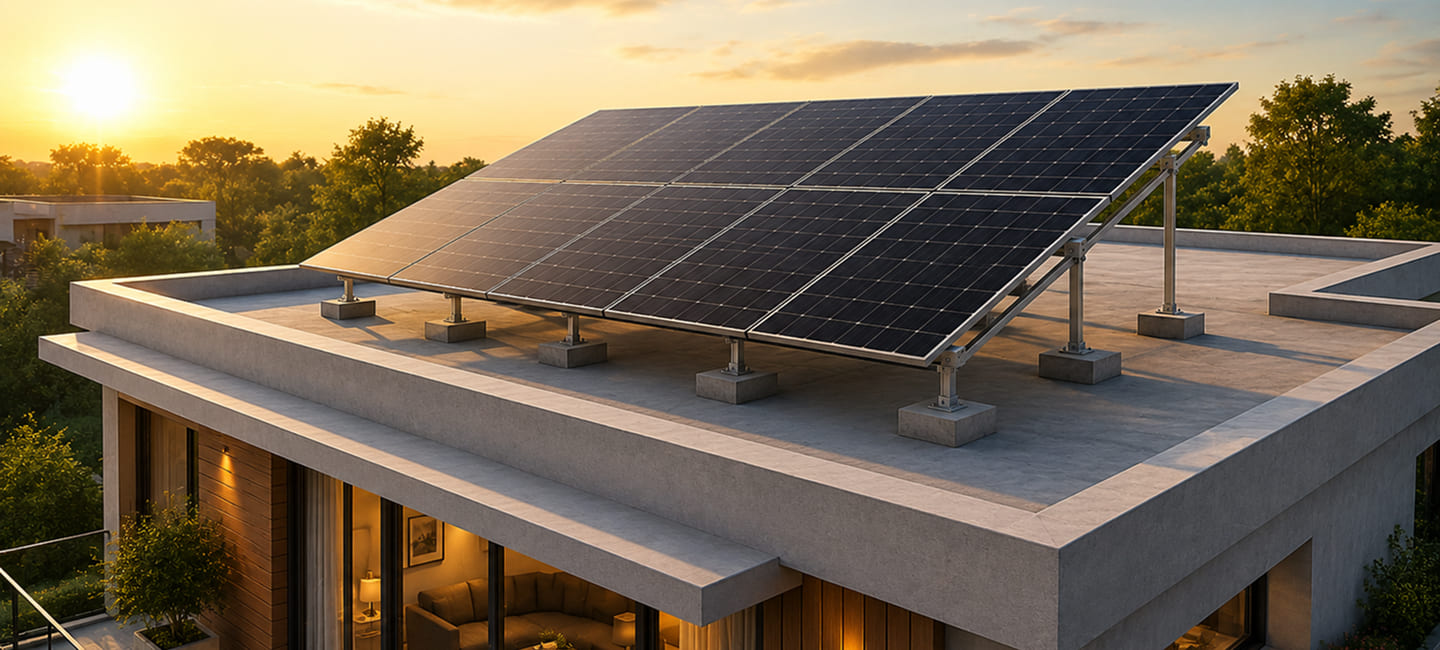
Solar panels turn daylight into electricity. They do not need blazing sunshine, and they still produce power on cloudy days, just at a lower level.
Why it works for Bristol homes:
- You use free power during the day and buy less from the grid.
- Extra power can often be sold back through a Smart Export Guarantee (SEG) tariff. Rates differ by supplier, so compare them.
- A good system can last for decades with little upkeep.
What to check first:
- Roof direction and shade. South-facing roofs are best, but east and west can work well too.
- Roof condition. It should be sound before panels go on.
- Your electrics. An older consumer unit may need upgrading first.
- Local rules. Listed buildings and conservation areas may have extra restrictions.
Because solar involves roof work and electrical work, it helps to use one team for both.
2. Battery Storage: Keep Your Spare Power
Solar panels make the most power at midday. Many of us use the most power in the evening. A battery bridges that gap.
It stores your extra solar energy and lets you use it later, when the sun has gone down. Some systems can also charge from the grid when electricity is cheaper, if you are on a suitable tariff.
Why homeowners like it:
- You use more of your own power.
- You depend less on the grid at peak times.
- It can add some backup flexibility, depending on the system.
A battery is not a must-have for everyone. If you are home all day, you may use most of your solar power anyway. If you are out at work, storage often makes more sense.
3. EV Charging Points: Easy Charging at Home
If you drive an electric car, or plan to, a home charger is one of the most useful upgrades you can make. Charging on your driveway is simpler than relying on public points.
Pair it with solar and you can charge your car using power from your own roof.
Things to think about:
- Where you park, and how far it is from your consumer unit
- Whether your home’s electrical supply can handle the extra load
- Smart chargers that let you schedule charging for cheaper times
A qualified electrician should check your supply before installation.
4. Smart Energy Optimisation: Use Less, Waste Less
Sometimes the biggest saving comes from knowing how you use power. Smart monitoring and control systems show where your energy goes and help you manage it.
For example, they can:
- Show live usage by the hour
- Run appliances when solar output is high
- Help your solar, battery and EV charger work together
It is a small step with a big payoff, because you can only fix what you can see.
5. Better Ventilation for Efficient, Airtight Homes
This one is often missed. When you improve insulation and seal draughts, your home holds heat better. That is great for bills, but it can also trap moisture and stale air.
A good ventilation system keeps the air fresh while holding on to heat. MVHR is a popular choice for this. Our guide to ventilation for healthier Bristol homes explains how it works.
How to Choose the Right Upgrade: A Simple Plan
Feeling unsure? Follow these steps.
- Check your bills. Look at when and how much power you use.
- Set your goal. Is it lower bills, a cleaner home, an EV charger, or all three?
- Start with the basics. Make sure your wiring and consumer unit are safe and ready.
- Get a survey. An expert can look at your roof, electrics and usage.
- Plan in stages. You can add a battery or charger later if the system is designed to allow it.
- Compare quotes. Look at the full picture, not only the price.
One tip from experience: ask about future plans at the start. If you might add solar or an EV charger in two years, it can save money to prepare the wiring now.
What Does It Cost, and Is Finance Available?
Costs depend on your home, the size of the system and the equipment you choose, so we always give a personal quote after a survey.
Grants, VAT rules and export tariffs can change, so check the latest details before you decide. Finance is also available through our partner, subject to status, which can help spread the cost.
Common Mistakes to Avoid
- Choosing on price alone. The cheapest quote may use lower-grade parts or skip key checks.
- Ignoring the electrics. Old wiring can limit what you can install.
- Skipping accreditation. MCS certification matters for SEG payments and for your own peace of mind.
- Oversizing or undersizing. A system should match how you actually use power.
- Forgetting aftercare. Ask what warranty and support come with the job.
Why Work with Roland J Bell
Roland J Bell has served Bristol since 1968. We are a family-run business with qualified engineers and electricians, and we are MCS and NICEIC Approved Contractors. Our staff are DBS-checked and fully insured.
We offer solar, battery storage, EV charging and energy optimisation, plus electrical and ventilation work, all under one roof. Our customers often tell us we explain things clearly and tidy up after the job. You can see the full range on our renewable solutions page.
Final Thoughts
The best sustainable energy solutions Bristol homeowners can choose are the ones that fit their home, habits and budget. For many, that means solar first, then a battery or EV charger, backed by safe electrics and good ventilation.
You do not need to do everything at once. You just need a clear plan and a team you trust.
Want to talk through your options? Contact Roland J Bell or call 01275 475 142 for friendly, honest advice and a no-pressure quote.